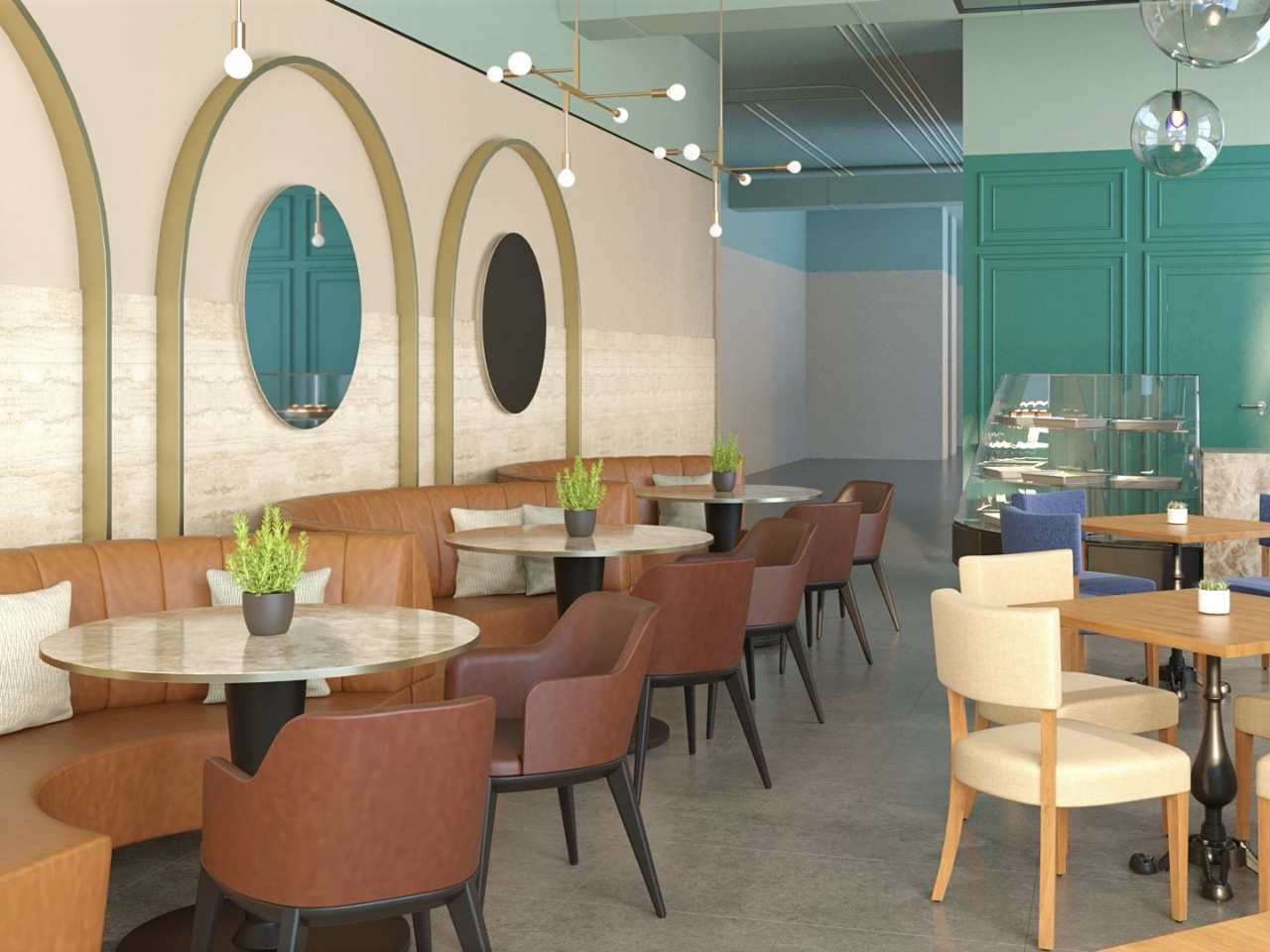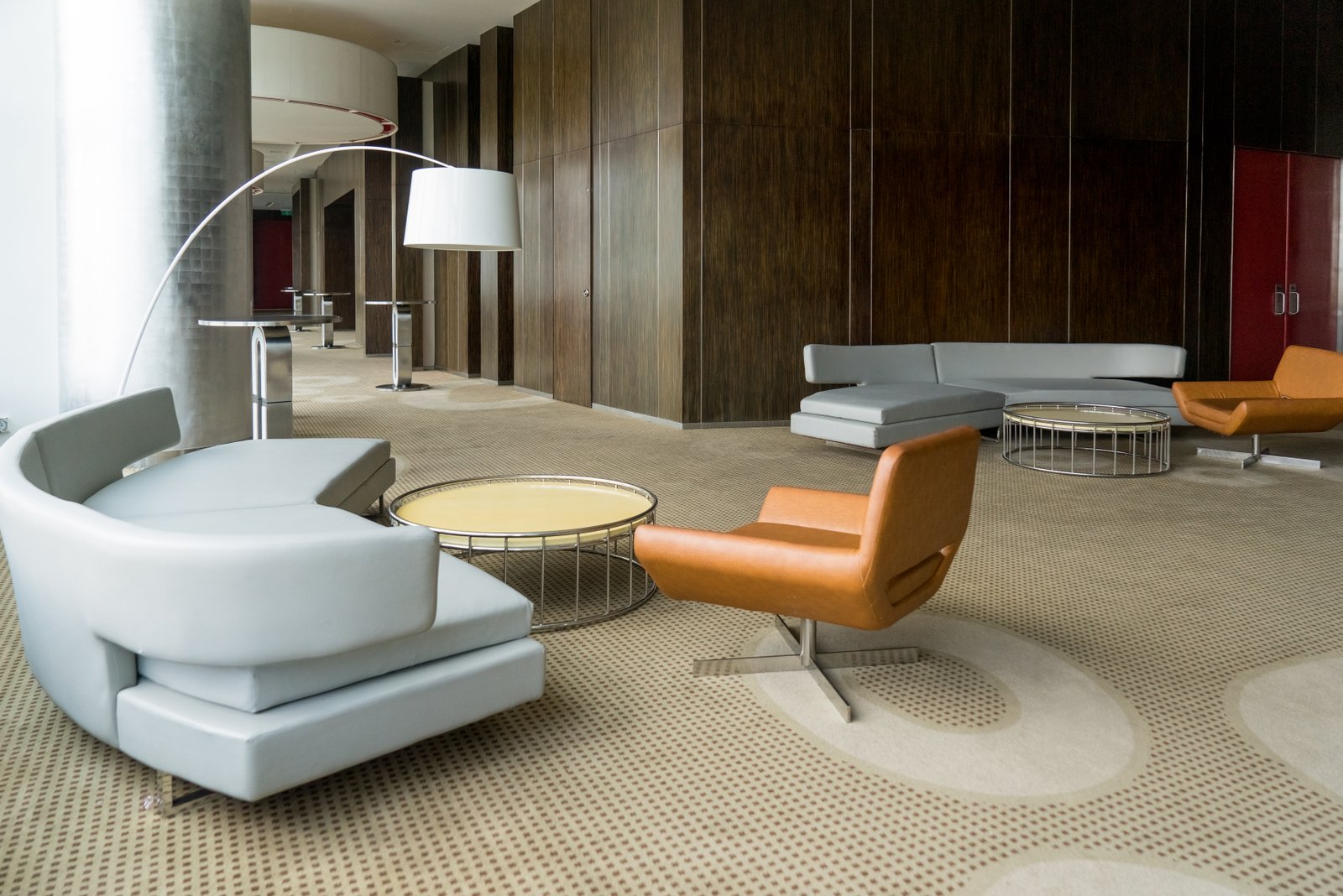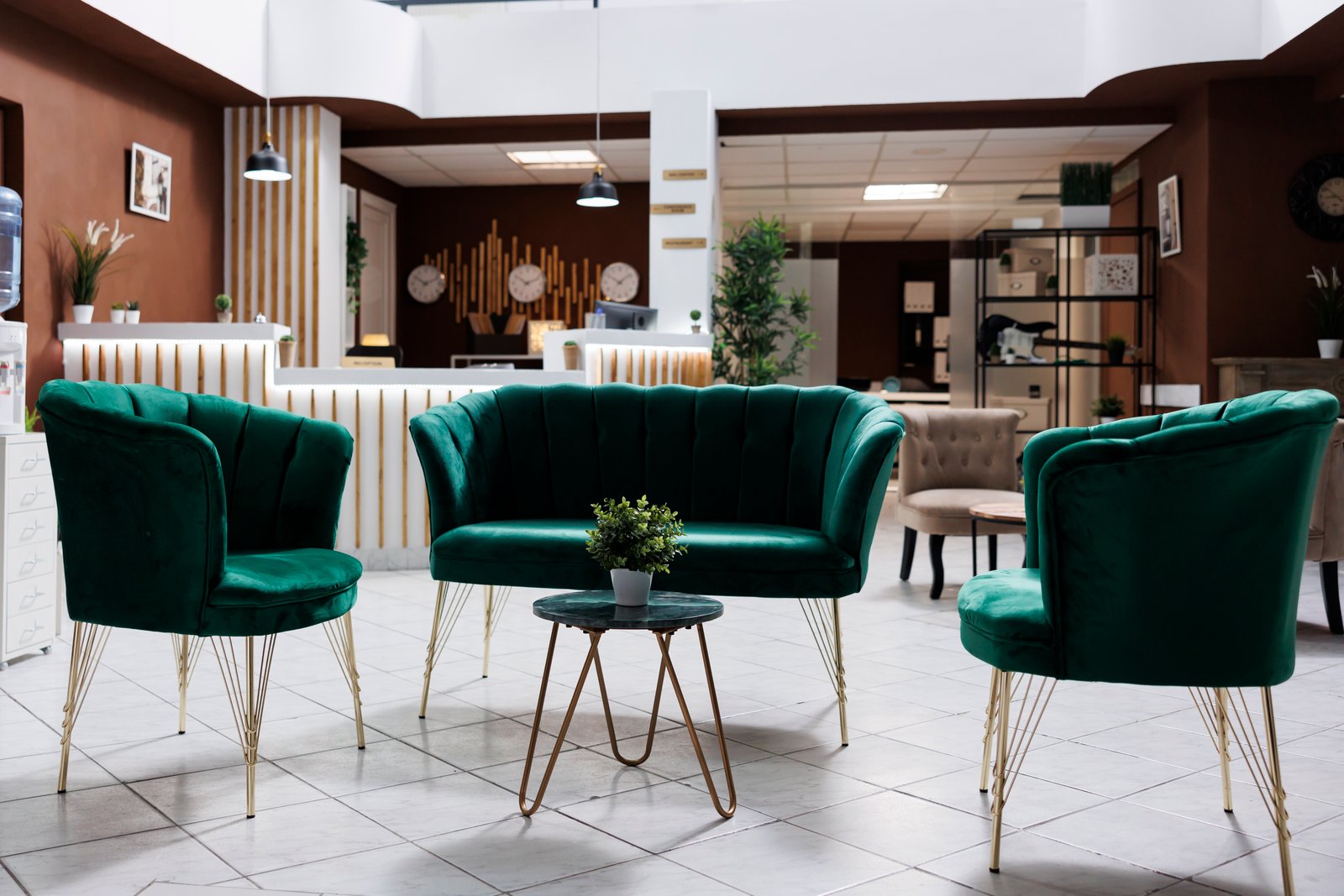
An office fit-out is the process of transforming an empty or unfinished space into a functional and usable workplace. At times, for companies preparing a new office or remodelling the existing one, terms like Shell & Core, Category A, and Category B can be confusing and hard to understand.
Understanding these stages is essential, as each represents a different level of completion and impacts both cost and customisation. Knowing what each type involves can help you make informed decisions before starting a project. This guide breaks down these concepts in a simple and clear way.
What Is an Office Fit-Out?
An office fit-out is the process of making an interior space functional and suitable for business use. It typically begins with an empty or unfinished structure and progresses into a fully usable workspace. This process involves multiple stages, including design planning, installation of essential infrastructure, and final customisation based on specific business needs.
In many cases, the initial stages are handled by landlords, while tenants complete the final setup to align the space with their operational requirements and brand identity.
Main Types of Office Fit-Out Explained
Understanding the different types of office fit-outs is essential when planning a workspace, as each stage represents a different level of completion. From a basic structural setup to a fully customised office, these categories help define what is included and what still needs to be done.
Shell & Core Fit-Out (Base Stage)
Only the building’s basic construction is finished during the most basic stage of an office fit-out, known as Shell & Core. It provides a starting point for all further interior work.
Key features include:
- Structural framework and external façade
- Basic utilities such as plumbing and electrical provisions
- Absence of interior finishes such as lights, ceilings, or flooring
At this stage, the space is essentially a blank shell, ready for further development based on project requirements.
Category A (Cat A) Fit-Out (Functional Stage)
By adding necessary systems that make the space functional but uncustomized, a Category A fit-out expands upon the Shell & Core stage. It is typically prepared by landlords to make the property ready for leasing.
Key features include:
- Installation of lighting systems
- HVAC (heating, ventilation, and air conditioning)
- Ceilings and raised flooring
- Basic internal finishes
While the space becomes usable, it remains a neutral environment, allowing tenants to plan their own layout and design.
Category B (Cat B) Fit-Out (Final Stage)
Category B fit-out is the final stage, where the office space is fully designed and customised to meet specific business needs. This is where the workspace truly comes to life.
Key features include:
- Partitioning and meeting rooms
- Workstations and furniture
- Branding and interior design elements
- Functional layouts tailored to workflow
At this stage, the office is complete, fully functional, and ready for immediate occupancy.
By understanding these three stages, businesses can better plan their fit-out journey and choose the level that aligns with their goals, budget, and operational needs.
Distinctions Between Shell & Core, Cat A, and Cat B
Understanding the differences between these fit-out types helps businesses choose the right stage based on their needs, budget, and timeline. Each category represents a different level of completion and customisation.
| Feature | Shell & Core | Cat A | Cat B |
| Interior Finish | None | Basic | Fully finished |
| Systems (HVAC, etc.) | Basic/Partial | Installed | Customised |
| Customisation | None | Minimal | Fully tailored |
| Ready to Use | No | Partially | Yes |
These differences highlight how each stage builds on the previous one, moving from a basic structural setup to a fully functional and customised workspace ready for daily operations.
How to Choose the Right Office Fit-Out Type
Choosing the right office fit-out type depends on your business requirements and how you plan to use the space. Start by considering whether you are a growing startup or an established company, as this will influence the level of customisation needed. Budget and timeline are also important factors, since each stage involves different costs and completion times. Lease agreements can determine how much of the fit-out is handled by the landlord versus the tenant.
Additionally, thinking about long-term scalability ensures the space can adapt as your business evolves. Each stage builds on the previous one, making it important to choose wisely from the beginning.
Work with an Experienced Fit-Out Partner
Planning and executing an office fit-out requires coordination across design, construction, and project management. Working with professionals who offer office fit-out solutions can help streamline the process and ensure that every stage is handled efficiently.
An experienced partner brings end-to-end expertise, from initial planning to final execution, ensuring a seamless transition from concept to completion. With the right guidance, businesses can create workspaces that are both functional and aligned with their long-term goals.
Choosing the Right Fit-Out for Your Workspace
Knowing the differences between Shell & Core, Category A, and Category B fit-outs will help businesses plan their office space more efficiently. Each stage represents a step forward, from a basic structure to a fully functional and customised workplace. Selecting the right fit-out level depends on your business needs, budget, and long-term goals.
Bringing these elements together effectively requires a clear understanding of both design and execution. With a focus on delivering end-to-end office fit-out solutions, MGM Interiors ensures that every stage of the process is managed seamlessly, helping businesses create workspaces that are functional, efficient, and aligned with their vision.
Frequently Asked Questions
1. What are CAT A and CAT B in office fit-out?
Category A (Cat A) and Category B (Cat B) refer to two key stages of an office fit-out. Cat A includes basic infrastructure such as lighting, ceilings, and HVAC systems, making the space functional but not customised. Cat B is the final stage, where the office is fully designed with partitions, furniture, and branding, making it ready for immediate use.
2. What is a Shell and Core fit-out?
Shell and Core is the initial stage of a building where only the basic structure is completed. It typically includes the external façade, structural framework, and essential utilities, but no interior finishes. The space is left as a blank canvas, ready for further fit-out work based on tenant requirements.
3. What is included in a Category A office fit-out?
A Category A fit-out includes essential elements that make a space usable, such as lighting, HVAC systems, ceilings, raised flooring, and basic internal finishes. However, it does not include any customisation or design features, allowing tenants to plan and personalise the space according to their needs.
4. What is included in a Category B office fit-out?
In a Category B fit-out, an office space is fully customised. It includes partitions, meeting rooms, workstations, furniture, branding elements, and interior design features. This stage transforms the space into a fully functional and ready-to-use workplace tailored to the business’s operations and identity.
5. Which office fit-out type is right for my business?
The right office fit-out depends on your business needs, budget, and timeline. If you require a fully customised workspace, a Category B fit-out is ideal. For a more flexible starting point, Cat A or Shell and Core may be suitable. Evaluating your operational requirements and long-term plans can help determine the best option.
Pages You Might Like:
Fit out company in Dubai, Commercial fit out company in Dubai, Office fit out company in Dubai, Retail fit out company in Dubai, Health & wellness fit out company in Dubai, Clinic fit out in Dubai, Gym fit out in Dubai, Spa fit out company in Dubai, Salon fit out company in Dubai, F&B fit out company in Dubai, Restaurant fit out company in Dubai