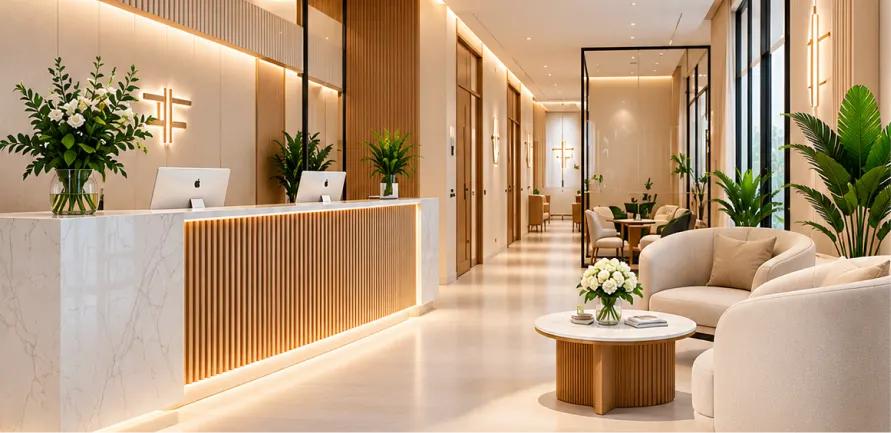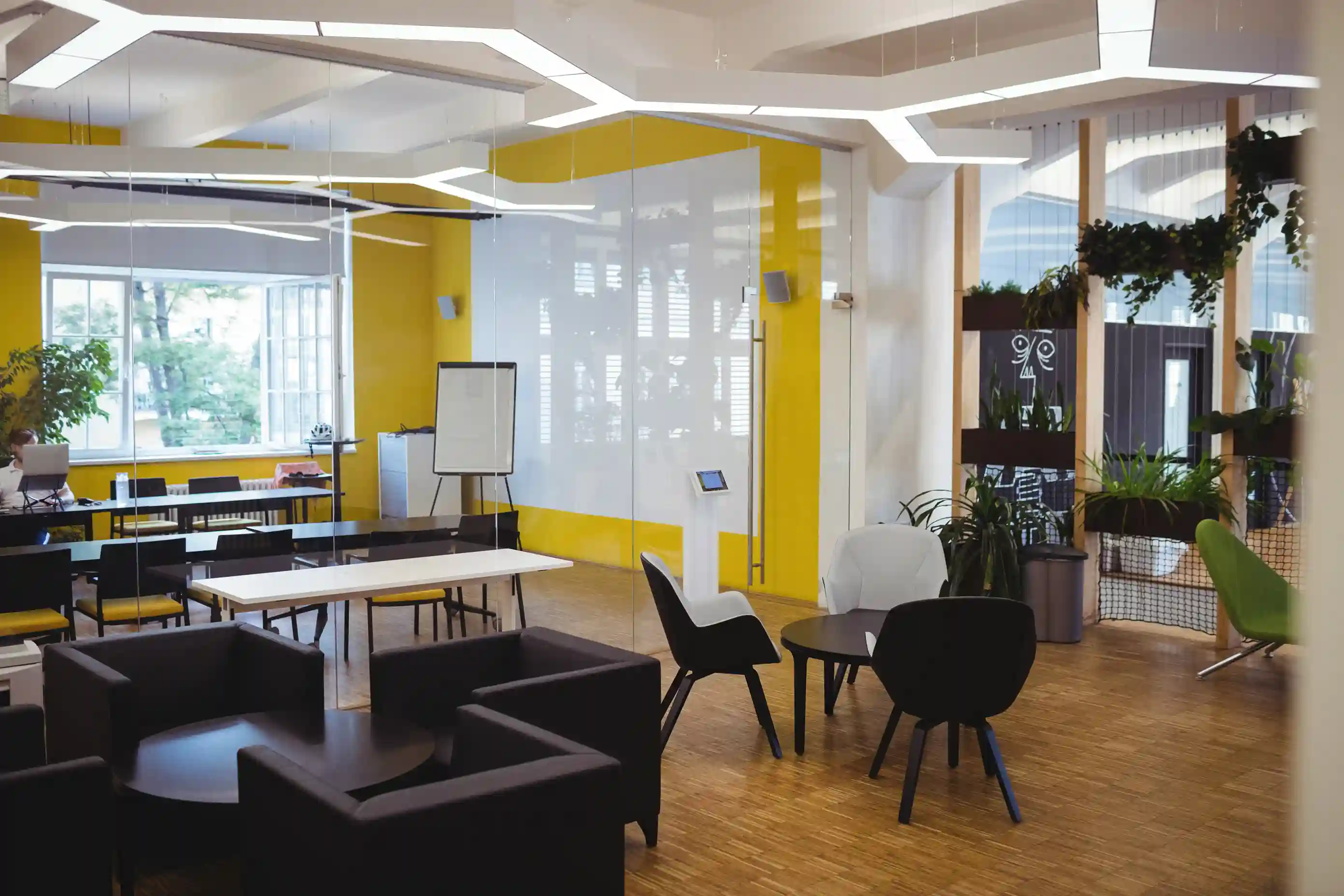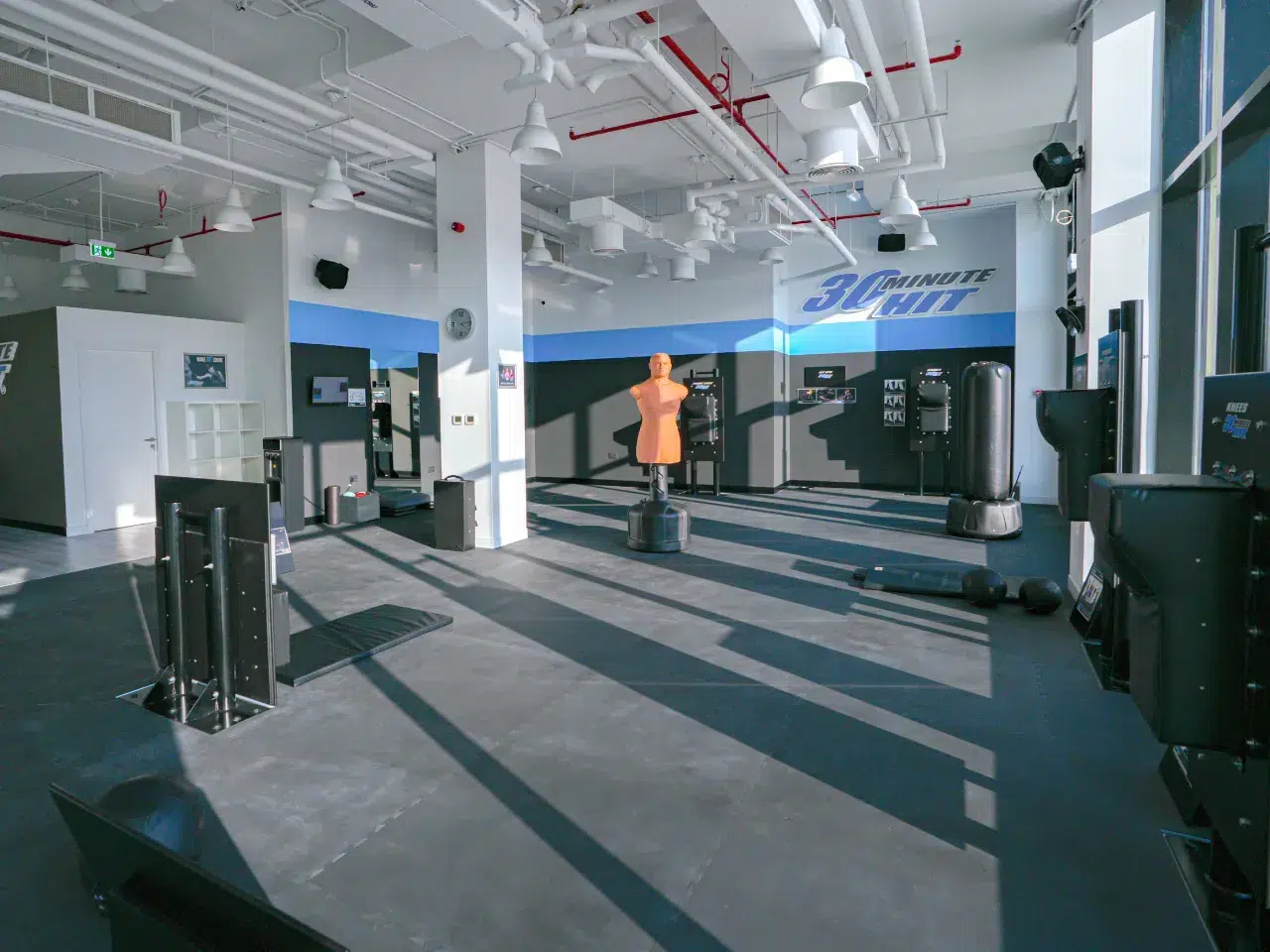
A retail fit-out is the process of transforming an empty commercial space into a fully functional and visually appealing retail store. It plays a crucial role in shaping customer experience, influencing buying behaviour, and reflecting a brand’s identity. In a competitive retail landscape like Dubai, where presentation and efficiency matter greatly, a well-executed fit-out can make a significant difference. This guide breaks down the retail fit-out process step by step, helping you understand what goes into creating a successful retail store.
What Is a Retail Fit-Out?
A retail fit-out refers to the process of converting an empty or unfinished commercial space into a fully operational retail store. This includes everything from layout planning and interior design to installation of fixtures, lighting, and branding elements.
Depending on the starting condition of the space, fit-outs are typically categorised into types such as shell and core (basic structure) and Category A or Category B fit-outs, which involve varying levels of interior completion. Understanding these types helps in planning the scope, budget, and timeline of your retail project effectively.
Why the Fit-Out Process Matters in Dubai Retail
In Dubai’s highly competitive retail environment, the fit-out process plays a critical role in determining how well a store performs. From strict authority approvals to high expectations in design and presentation, every stage must be carefully planned and executed. Retail spaces, especially in malls, demand precision, speed, and compliance with local regulations.
- Customer experience: A well-designed space improves engagement and encourages longer visits
- Brand identity: Interiors must clearly reflect the brand’s image and positioning
- Compliance: Meeting Dubai’s regulatory and safety standards is essential for approvals and operations
A structured fit-out process ensures both visual impact and operational efficiency.
Step-by-Step Retail Fit-Out Process
Understanding the retail fit-out process step by step helps ensure better planning, smoother execution, and fewer delays. Here’s how a typical project progresses:
Requirement Analysis & Concept Planning
The process begins with understanding the brand’s goals, target audience, and space requirements. Initial concepts and layouts are discussed to align design with business objectives.
Design & Space Planning
Detailed layouts, 3D designs, and technical drawings are developed. This stage focuses on optimising space, customer flow, and visual appeal.
Authority Approvals
Necessary approvals are obtained from authorities such as the Dubai Municipality and the mall management. This step ensures compliance with local regulations and safety standards.
Material Selection & Procurement
Suitable materials are selected based on design, durability, and budget. Procurement is planned to avoid delays during execution.
Execution & Installation
On-site work begins, including civil work, electricals, fixtures, and interior installations, all coordinated as per the approved design.
Final Inspection & Handover
The completed store is inspected for quality and compliance before being handed over, ready for operations.
Common Challenges in Retail Fit-Out Projects
Retail fit-out projects often face practical challenges that can impact timelines, costs, and overall quality if not managed properly. Being aware of these issues helps in planning more effectively.
- Delays due to approvals: Regulatory and mall approvals in Dubai can take time if the documentation is not accurate
- Budget overruns: Unexpected design changes or material costs can increase overall expenses
- Poor coordination between teams: Lack of communication between designers, contractors, and suppliers can slow down progress
- Design vs execution gaps: Differences between planned designs and on-site execution can affect the outcome
Addressing these challenges early can help ensure a smoother project delivery.
How Experience Makes a Difference in Retail Fit-Out
In a complex market like Dubai, experience plays a crucial role in ensuring a smooth and efficient retail fit-out process. With over 27 years of industry expertise, MGM Interiors understands the nuances of handling authority approvals, coordinating multiple teams, and managing strict project timelines. Our practical knowledge helps minimise delays, control costs, and maintain consistency between design and execution. The level of experience not only ensures compliance but also contributes to delivering high-quality retail spaces that meet both functional and aesthetic expectations.
Key Elements of a Successful Retail Store Design
A well-executed retail fit-out goes beyond construction. It focuses on creating a space that enhances both functionality and customer experience.
- Efficient layout planning: Maximises space utilisation while ensuring easy navigation
- Lighting design: Highlights products and creates the right ambience
- Customer flow: Guides movement naturally through the store to improve engagement
- Material durability: Ensures long-term performance in high-traffic environments
- Branding consistency: Reflects a clear and cohesive brand identity
For retail fit-out solutions in Dubai, explore the services offered by MGM Interiors or get in touch with our team to discuss your project requirements.
Planning Your Retail Fit-Out the Right Way
A successful retail fit-out is a structured, multi-step process that requires careful planning, coordination, and execution. From initial concepts to final handover, each stage plays a role in shaping the store’s performance and customer experience. In a dynamic market like Dubai, working with experienced professionals such as MGM Interiors can help ensure a smoother process and a well-executed retail space.
Frequently Asked Questions
1. How long does a retail fit-out take in Dubai?
The timeline for a retail fit-out in Dubai typically ranges from 4 to 12 weeks, depending on the size of the store, design complexity, and approval processes. Delays can occur due to authority approvals or material procurement, so proper planning is essential to stay on schedule.
2. What approvals are required for retail fit-outs in Dubai?
Retail fit-out projects usually require approvals from Dubai Municipality, Civil Defence, and mall management (if applicable). These approvals ensure compliance with safety, structural, and design regulations before execution can begin.
3. What is the difference between Category A and Category B fit-outs?
Category A fit-outs include basic interior finishes such as ceilings, flooring, and mechanical systems, making the space usable. Category B fit-outs are more customised and involve branding, fixtures, partitions, and final design elements specific to the retail business.
4. How much does a retail fit-out cost in Dubai?
Costs can vary widely based on store size, materials, and design requirements. On average, retail fit-outs in Dubai can range from moderate to high investment levels, especially in premium retail locations where quality and aesthetics are critical.
5. Why is hiring an experienced fit-out company important?
An experienced company like MGM Interiors can streamline the entire process, from approvals to execution, while minimising delays and costly mistakes. Their expertise ensures better coordination, quality control, and adherence to Dubai’s regulatory standards.
Pages You Might Like:
Fit out company in Dubai, Commercial fit out company in Dubai, Office fit out company in Dubai, Retail fit out company in Dubai, Health & wellness fit out company in Dubai, Clinic fit out in Dubai, Gym fit out in Dubai, Spa fit out company in Dubai, Salon fit out company in Dubai, F&B fit out company in Dubai, Restaurant fit out company in Dubai